

Step 1
Design & Collaboration
Every piece starts with a conversation. We’ll talk about your space, inspiration, function, and the feeling you want the piece to bring into a room. From there, I develop concepts, proportions, and material ideas tailored specifically to you

Step 2
The Wood.
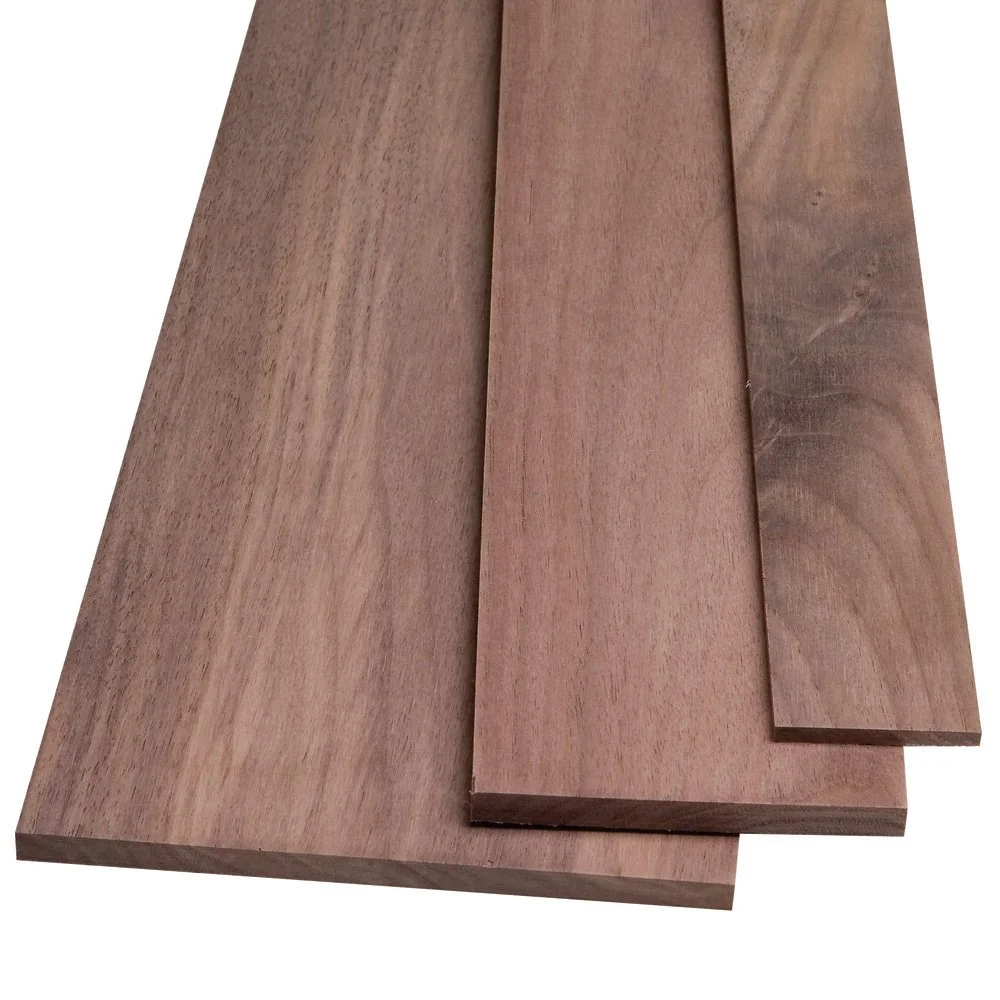
Walnut is prized for its rich dark tones, bold grain, and timeless look. It brings warmth and depth to both modern and classic furniture designs.
Squirrels accidentally plant thousands of walnut trees every year by forgetting where they buried the nuts.
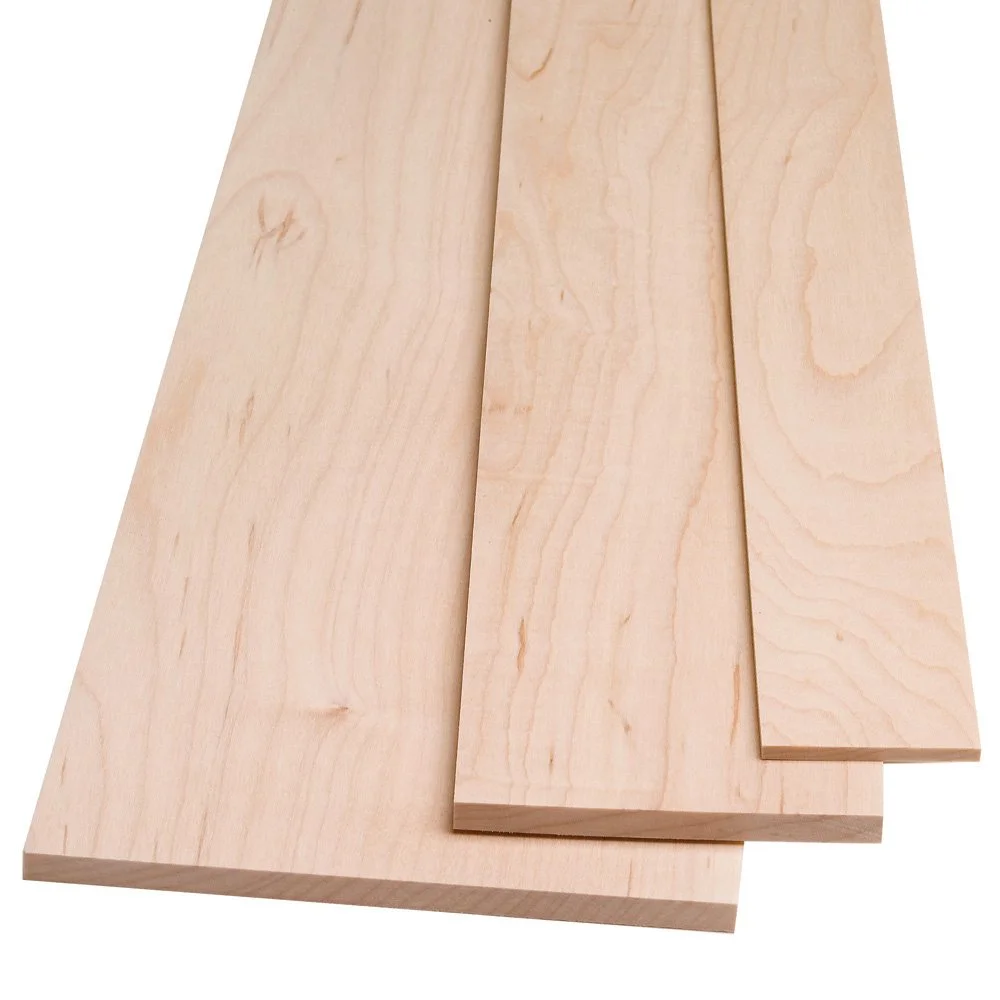
Maple is clean, bright, and incredibly durable with a smooth, consistent grain that works beautifully in modern designs.
Maple trees can produce sap for over 100 years — and it takes about 40 gallons of sap to make just 1 gallon of maple syrup.
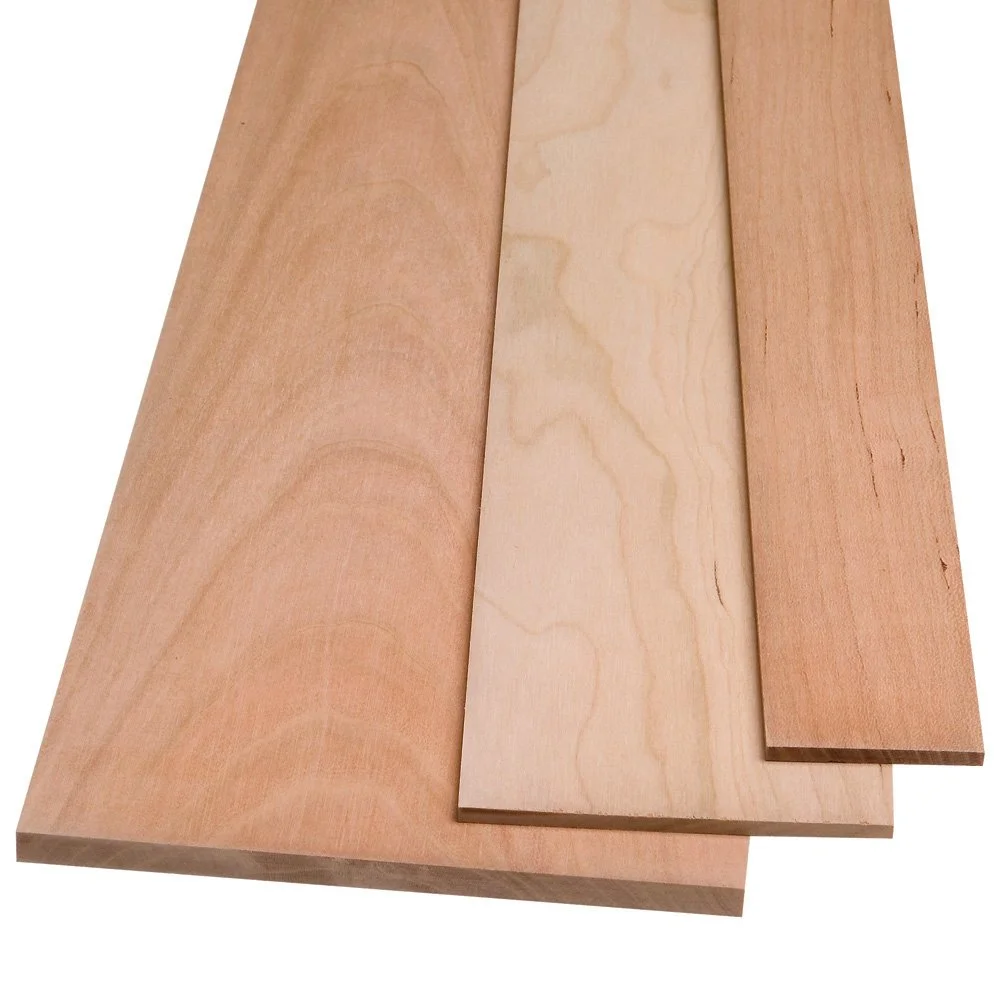
Cherry is warm, smooth, and full of character with rich tones that deepen beautifully over time. It’s one of my personal favorite woods to work with.
Cherry naturally darkens with age and sunlight, meaning every piece slowly develops its own unique patina over time.
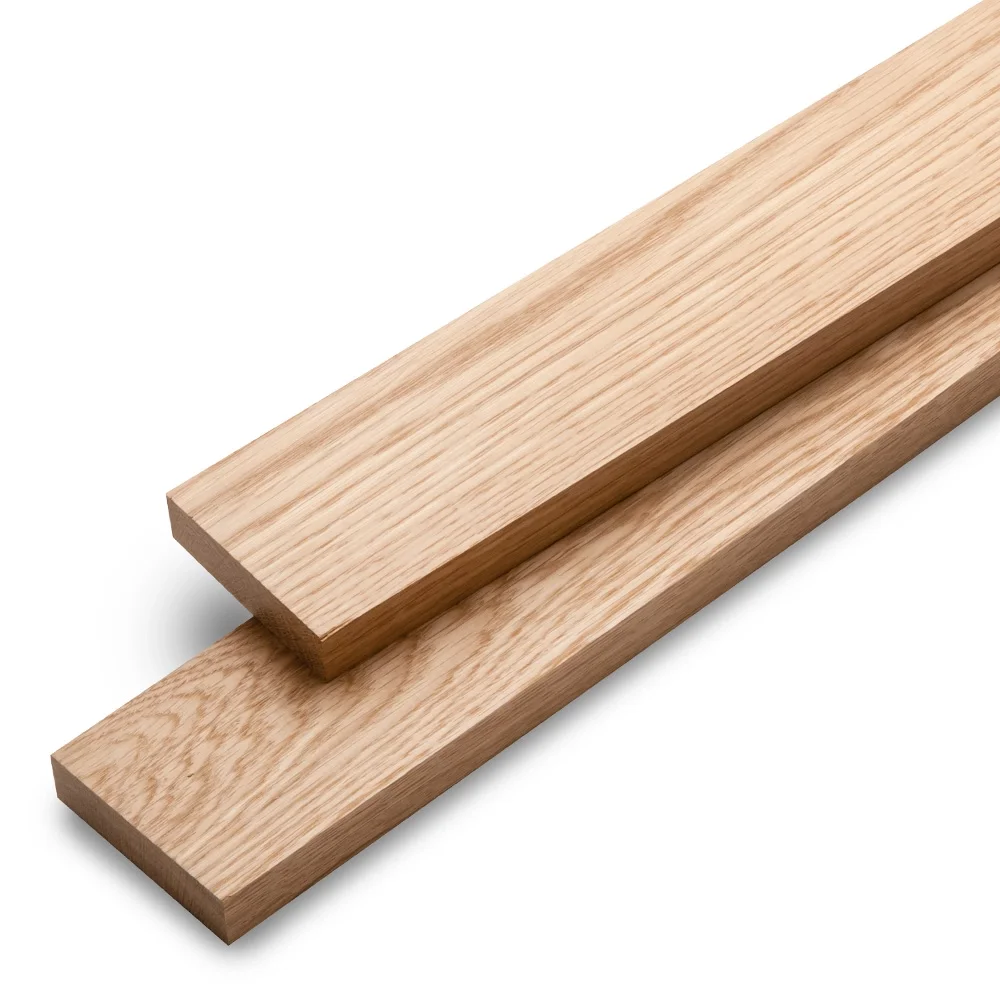
Oak is strong, timeless, and full of texture with bold grain patterns that bring natural depth to any piece.
An oak tree can take 20–30 years before it even starts producing acorns. Talk about playing the long game.
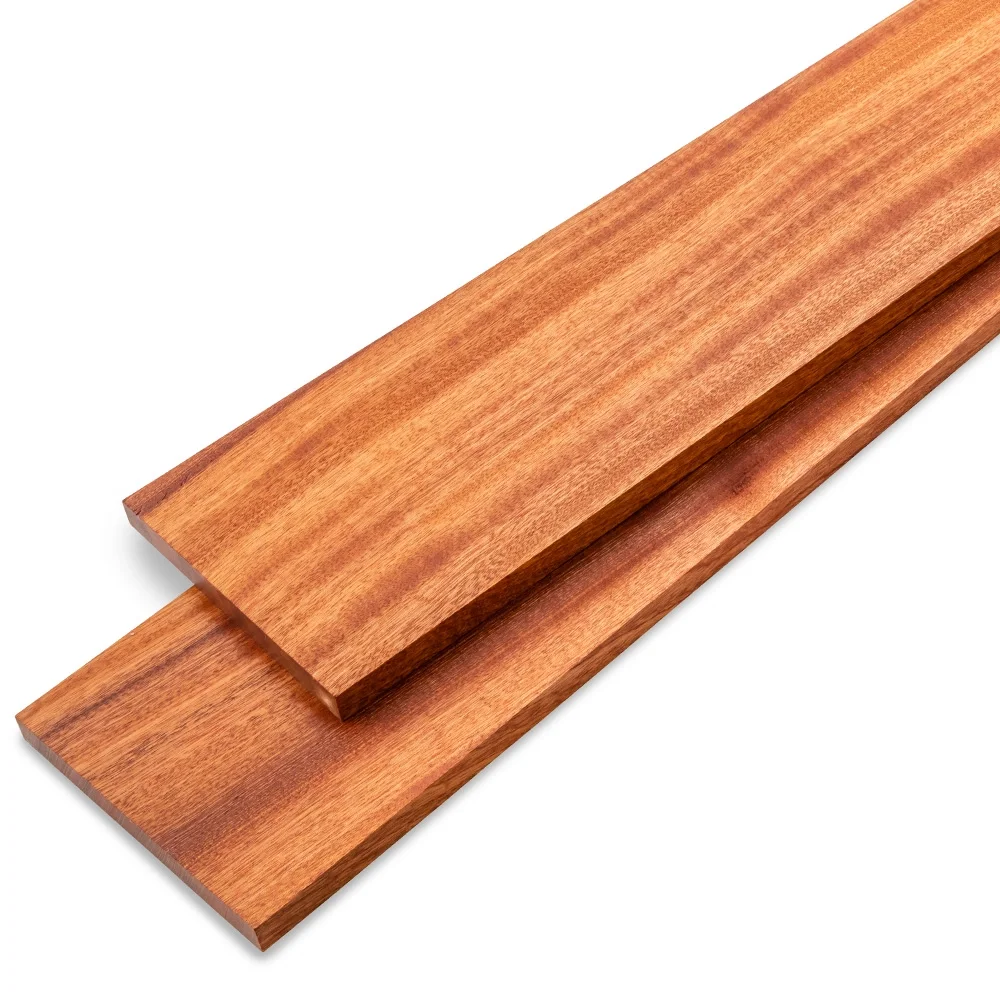
Sapele has a rich reddish-brown tone with shimmering grain that almost changes in the light. It’s bold, elegant, and incredibly smooth to work with.
Sapele’s ribbon-like grain can create a natural “3D” effect that seems to move as you walk past it.
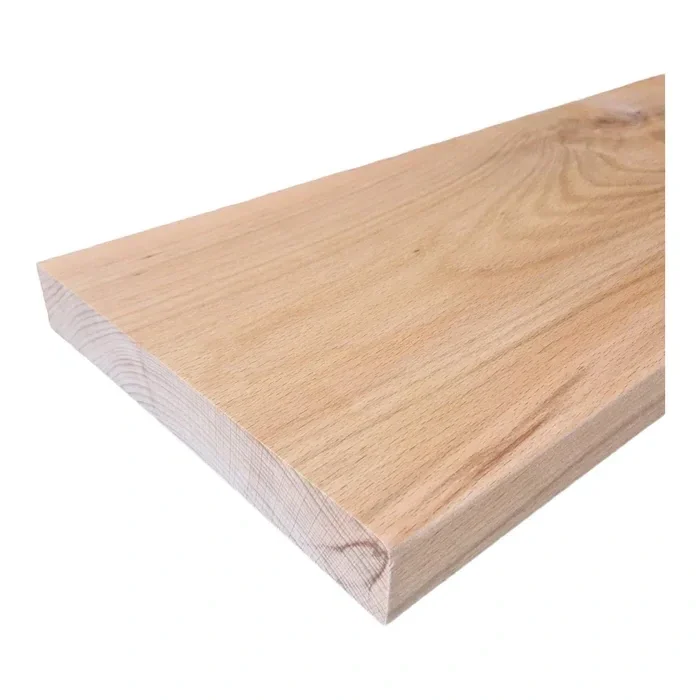
Beech is smooth, durable, and understated with a light, even tone that works beautifully in clean modern designs.
Beech was used to make the first ever wooden planes, train seats, and countless mid-century chairs because it bends incredibly well with steam.
Step 3
The Finish.
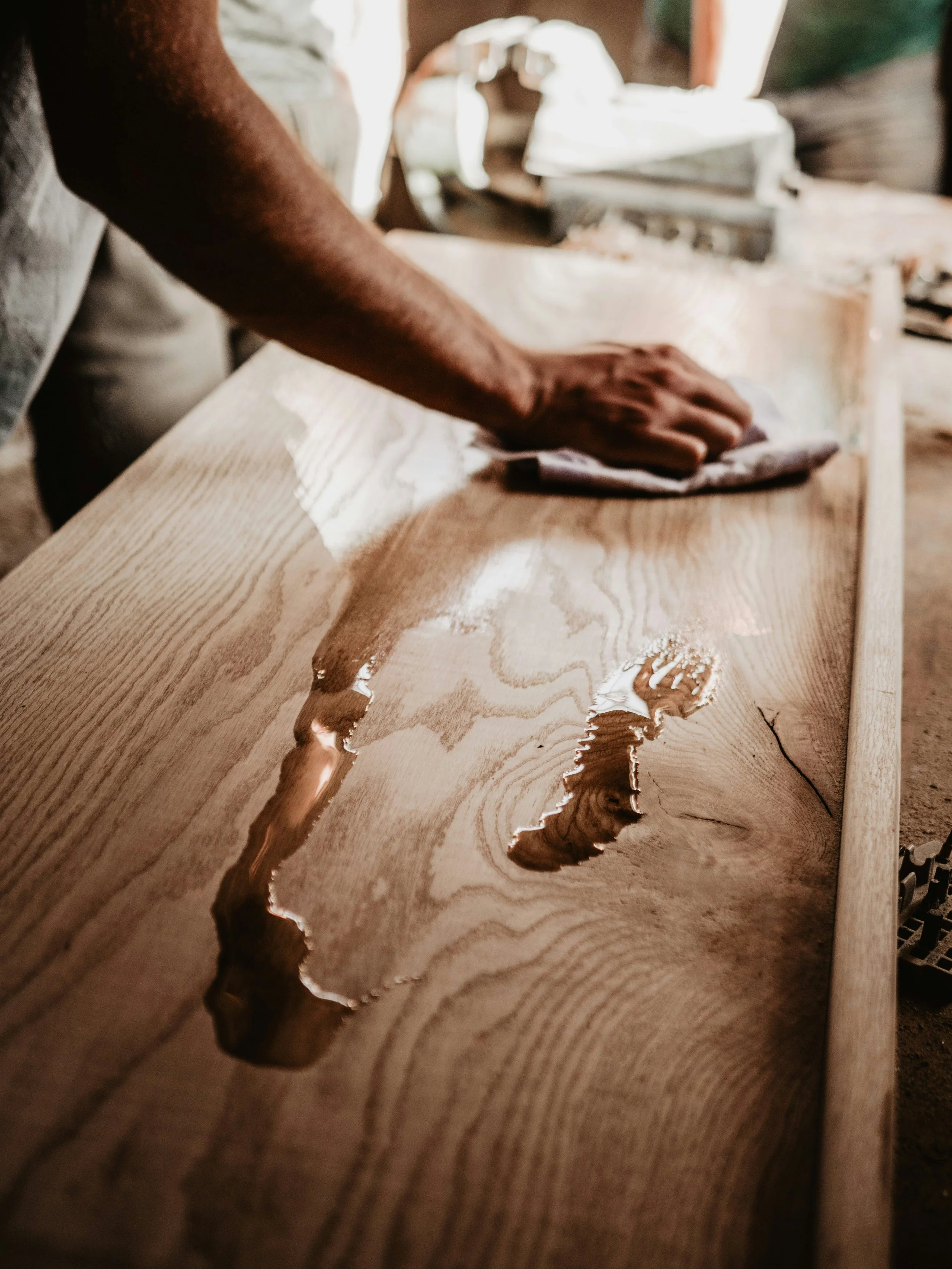
Finishing is where wood fully comes to life. Oils, waxes, and traditional finishes deepen grain, shift tone, and highlight the movement already present within the material. Rather than covering the surface beneath thick plastic coatings, the goal is to preserve warmth, texture, and the tactile quality that makes real wood feel alive.
Surface Treatments & Wood Chemistry.
Ebonizing.
A chemical reaction between iron and natural tannins creates deep dark tones while keeping the grain fully visible beneath the surface.
Bleaching.
Lightens natural pigmentation within the wood itself, often increasing contrast and creating a softer aged appearance.
Lime Wash.
Settles into the grain to highlight texture and depth while mimicking the softened character of naturally aged wood.
Reactive Treatments.
Tannins, minerals, and oxidation can dramatically shift color and tone without hiding the natural movement of the grain.
Fuming.
Traditionally used with white oak, ammonia vapors react with tannins to darken the wood from within rather than coating the surface with pigment.
Lets go Natty!
(Natural Finishes)
Shellac.
Yes, it’s made from a bug. Harvested for centuries in the forests of India and Thailand, shellac creates a warmth and glow that modern synthetic finishes still struggle to imitate. Over time it develops a rich patina that gives wood an unmistakably aged character.
Beeswax.
One of the oldest wood finishes still used today. Beeswax leaves behind a soft natural sheen while preserving the tactile feel of real wood instead of covering it beneath a thick plastic-like surface.eel of real wood instead of covering it beneath a thick plastic-like surface.
Tung Oil.
Pressed from the seeds of the tung tree, tung oil cures within the wood itself rather than forming a heavy film on top. Known for its water resistance and deep grain enhancement, it has been used for centuries in furniture and shipbuilding.
Hard Wax Oils.
Designed to protect wood while still allowing it to feel natural to the touch. Unlike heavy polyurethane finishes, hard wax oils preserve texture, movement, and warmth while remaining repairable over time.
Odie’s Oil.
A modern hard wax oil finish known for its low-toxicity approach and rich depth. It enhances grain dramatically while maintaining the organic feel that makes real wood so satisfying to interact with.
TL;DR:
Wood should age like fine wine, not Tupperware. Natural finishes allow materials to deepen, soften, and develop character over time instead of being trapped beneath heavy plastic coatings.